The first thing to understand about wrapping a car in Qatar is that the vinyl does not sit quietly in the background. Doha sunlight can push surface temperatures past anything a European installer would consider normal, and fine desert dust finds its way into every seam and edge. A wrap here is not just a style choice. It is a material decision, a paperwork decision and a maintenance decision rolled into one.
Drivers across Doha are using wraps for colour changes, commercial branding and subtle protection. A full or partial vinyl layer can transform a daily driver into something personal without committing to a respray. It can be removed later if the owner wants a different look. That flexibility matters in a market where luxury cars are common and individual taste runs strong.
Getting the Approvals Right Before the Vinyl Goes On
Commercial branding brings its own set of questions. A delivery van covered in a company name and phone number is not the same as a private car with a matte grey finish. Fleet managers should confirm what is permitted for business graphics, especially when the wrap covers rear windows or changes the overall appearance of the vehicle. The safest approach is to ask the installer and the relevant licensing authority before printing a single square metre of film.
Colour Change, Branding and the Paper Trail
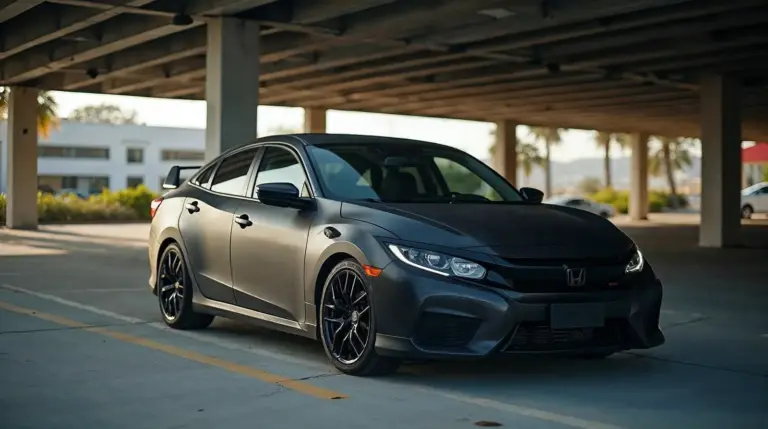
A private colour change wrap is usually the simplest case, but it still deserves a conversation with the installer about how the finished colour should be described. Some films look different under showroom lights and desert sun, so what appears subtle indoors may seem much brighter on the road. The colour recorded on paper should be close enough to the real-world appearance to avoid confusion during inspection or renewal. This is especially important in Qatar, where strong sunlight can noticeably shift how a wrapped vehicle looks throughout the day.
Choosing Materials That Survive the Gulf Climate
Qatar’s heat and humidity are the real test of any wrap. A low-grade film may look fine on day one and then shrink, lift or fade within a single summer. High-quality cast films are designed to handle this environment better than cheaper calendered options. The material should be specified for automotive use, with pigments that resist the bleaching effect of constant sun.
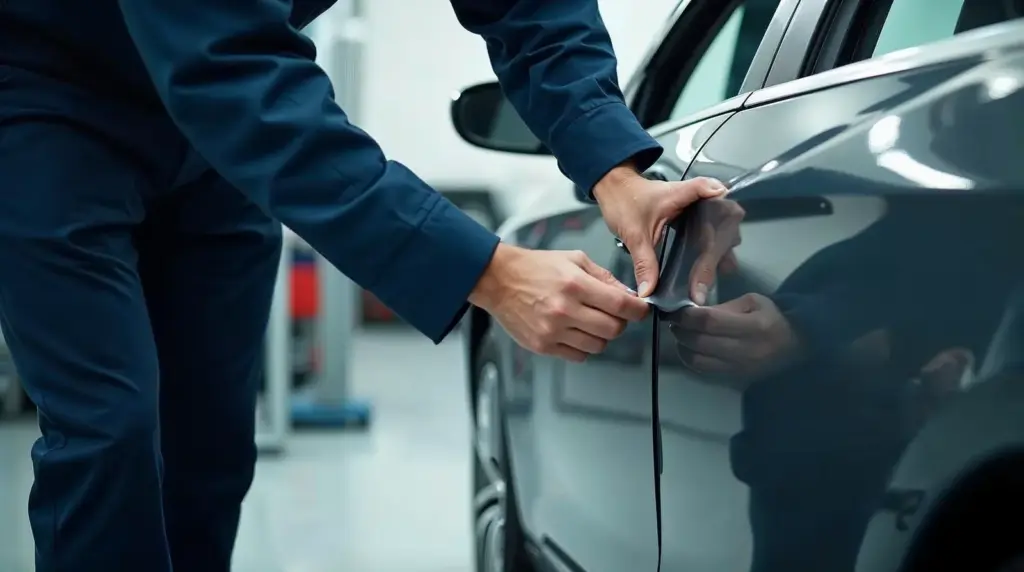
Paint protection film, often called PPF, is a related service that many wrap shops also provide. Transparent films of more than 150 microns can be applied to the hood, front fenders, mirrors and bumpers to guard against gravel and insect impact. PPF and vinyl wraps serve different purposes. They are frequently discussed together because both sit on top of the factory paint and need a clean, controlled installation.
Full Wrap, Partial Wrap or Protection Film
A full wrap covers every exterior panel and gives the strongest visual impact. It is the standard choice for fleet branding and for owners who want a complete colour change. A partial wrap covers selected sections such as doors, the rear panel or the hood. It costs less and still delivers strong presence, which makes it a sensible entry point for smaller businesses. Colour change wraps are popular among private owners who want a new look without a permanent respray. Commercial branding wraps combine logos, contact details and service descriptions across the body, turning a company car into a rolling advertisement. The decision between full and partial coverage usually comes down to budget, visibility needs and how much of the original paint the owner wants to keep exposed.
What Happens on Installation Day
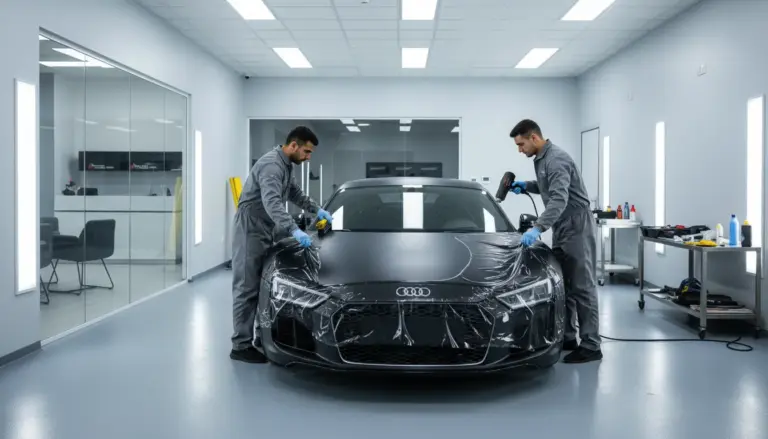
A proper wrap installation is not a quick sticker job. The vehicle must be washed, decontaminated and dried thoroughly before any film touches the surface. Dust trapped under the vinyl will show up as bumps and can shorten the life of the wrap. In Doha, where fine sand is always in the air, this preparation stage matters even more than usual.
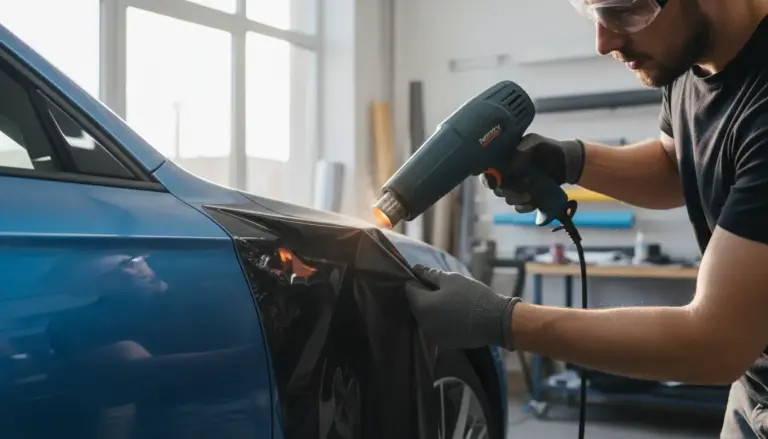
The installer will remove trim pieces, badges and handles where necessary to tuck the film cleanly around edges. Panels are then wrapped one by one, with heat used to shape the vinyl around curves and recesses. A skilled installer works slowly enough to avoid overstretching the film, which can cause it to pull back later. The best results come from a clean, enclosed bay rather than an open workshop.
Aftercare That Keeps the Wrap Looking Sharp
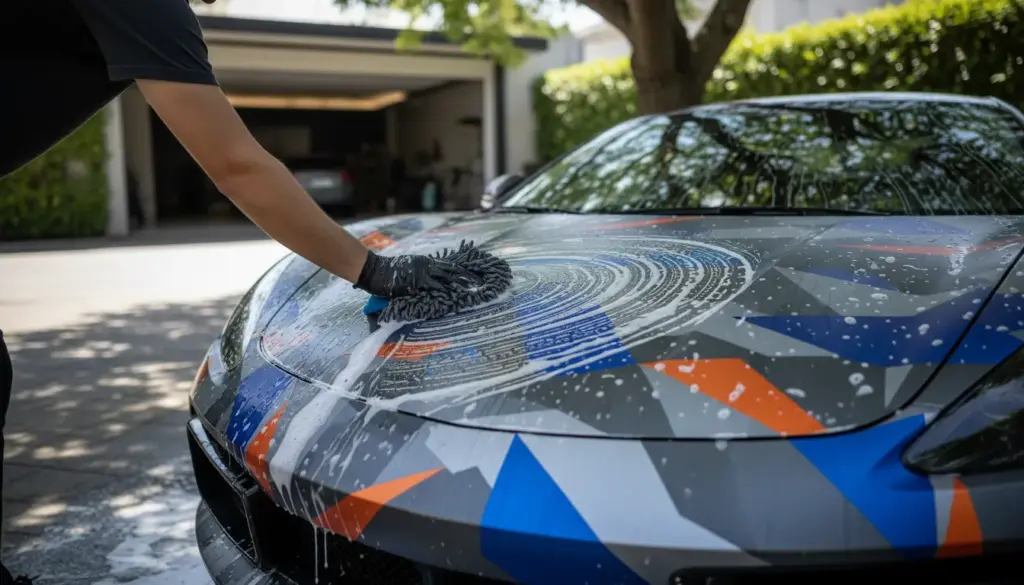
Once the wrap is on, the owner’s habits determine how long it lasts. Hand washing is safer than automatic car washes, which can catch edges and force water under the film. Use a mild automotive shampoo and a soft mitt, and avoid high-pressure water aimed directly at seams. In Qatar’s dusty conditions, regular rinsing helps stop grit from grinding into the surface.
Parking habits also matter. Whenever possible, keep the wrapped car in shade or under cover during the hottest part of the day. Prolonged exposure to extreme heat can age the film faster and make removal more difficult later. A wrap is durable, but it is not indestructible, and a little daily care goes a long way in this climate.
Working With a Wrap Shop in Qatar
Doha has a growing number of wrap and signage companies, and the range of services varies widely. Some focus on commercial fleet work, while others specialise in colour changes and premium finishes for private cars. Because a wrap sits on top of the factory paint, it can be removed later, which makes it a flexible option for both businesses and individuals. Before requesting a quote, it helps to know the vehicle model, the desired coverage and whether the job is for branding or personal style.
When comparing quotes, look beyond the headline price. The type of film, the warranty terms and the installer’s experience all affect the final result. A cheaper wrap that fails after one summer is more expensive than a properly installed cast film that lasts for years. The goal is not the lowest number on the invoice. It is a wrap that still looks intentional after twelve months of Gulf sun.
There are a few practical points to confirm before signing off on any job. First, check whether the wrap will be a full or partial application, since this affects both cost and coverage. You should also confirm the type of vinyl and finish being used, as materials like matte or satin perform differently under Qatar’s sun and sand. Ask how the wrap will be removed later and whether it may affect the original paintwork. Finally, make sure the installer explains what to expect on installation day so there are no surprises.
- Confirm whether the wrap changes the registered colour and what documentation the traffic authority requires.
- Ask which film brand and product line will be used, and whether it is a cast automotive film suited to high heat.
- Check how the installer handles edges, badges and recessed areas, since these are the first places a poor wrap fails.
- Clarify the warranty period and what it covers, including fading, lifting and adhesive failure.
- Ask about aftercare products that are safe for vinyl, especially if you plan to wash the car at home.
- Get a written record of the design, film type and installation date for future panel repairs or removal.