A clean wrap can turn a delivery van into a rolling billboard or give a personal car a finish that paint alone cannot match. In Doha, the appeal is obvious. The sun beats hard, sand finds every seam, and a well-applied vinyl layer offers both colour and a degree of protection for the factory finish underneath. Yet the gap between a tidy job and a costly disappointment is often decided before the first panel is touched.
Walking into a wrap shop without a short list of questions is like buying fabric without checking the weave. You might get a brand name, a confident smile and a low number, but none of that tells you what the car will look like in twelve months. The shops worth your time will welcome specific questions about space, material, method and paperwork. The ones that dodge them are telling you something useful too.
Look at the Bay Before You Look at the Vinyl
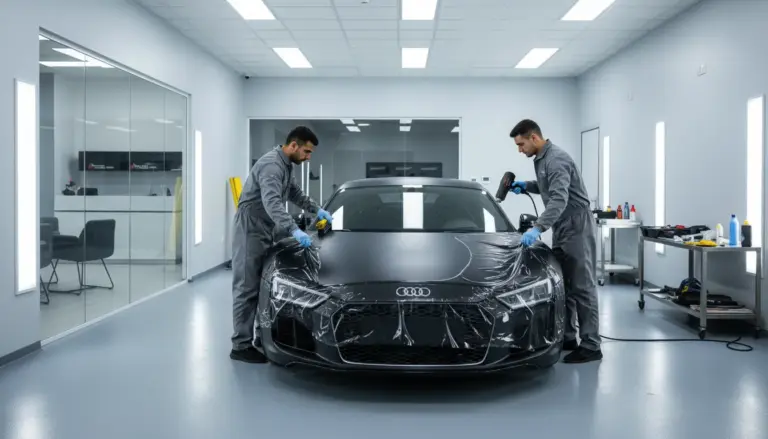
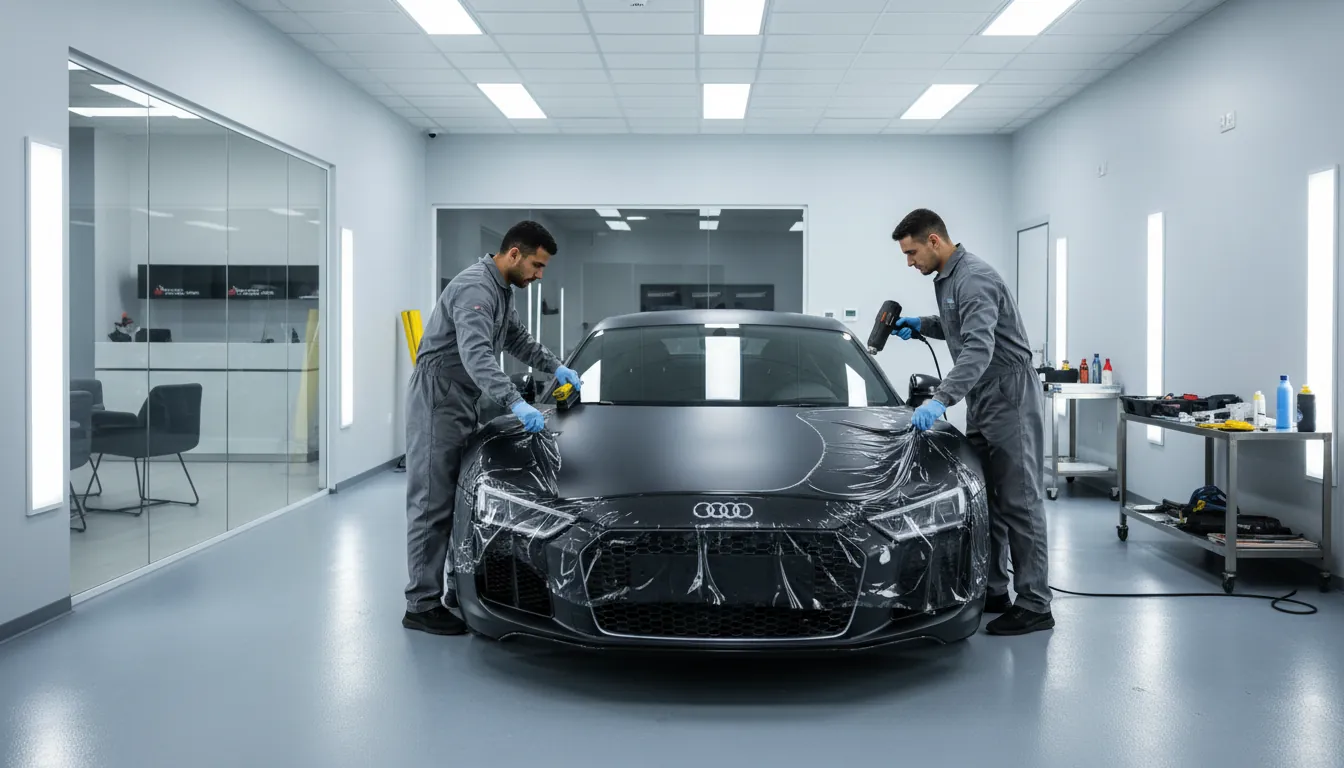
Qatar’s air carries fine dust that behaves like a slow abrasive. Any speck trapped under film during installation stays there as a permanent blemish, and an open or semi-open fitting area makes that far more likely. Ask to see the bay where the car will actually sit. A clean, enclosed, well-lit space is a better sign than any slogan on the wall.
Strong light is your friend here. Dust specks, stretch marks and uneven edges hide in shadow but show up clearly under direct lighting. A shop that lets you inspect recent work in bright conditions is showing you its standards, not just its portfolio. If the answer is vague, treat that as a warning. The bay is where the wrap either bonds cleanly or collects the desert.
Pre-Cut Kits or Hand-Finished Edges
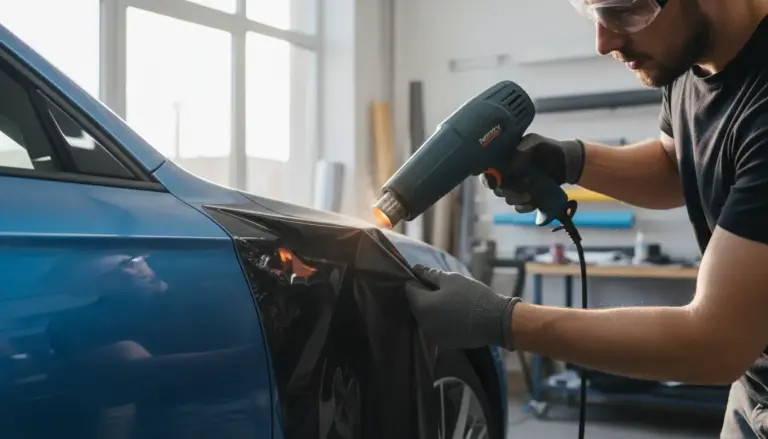
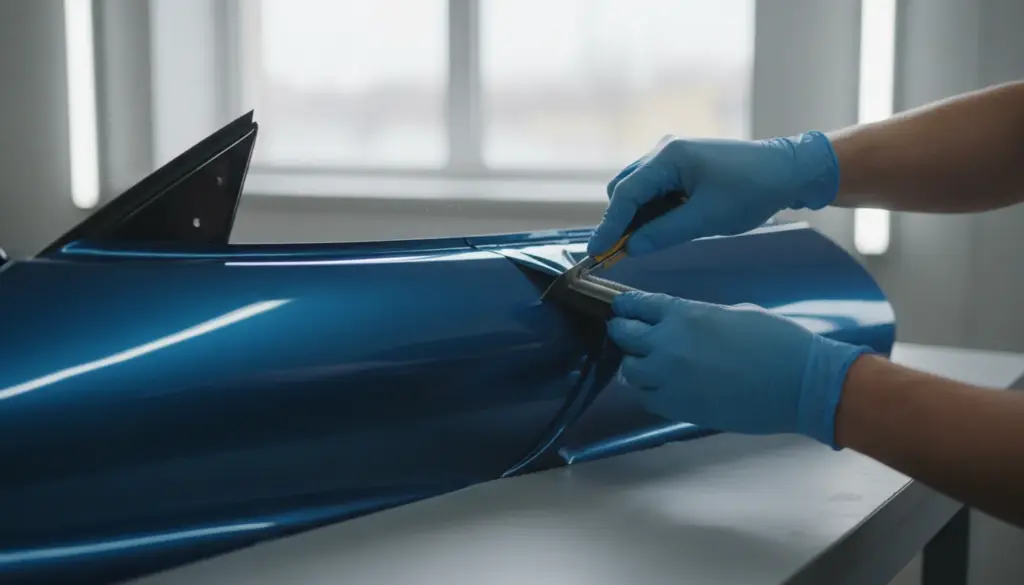
Installers in Doha generally follow one of two paths. Pre-cut patterns are produced from digital templates and can leave a visible line just short of each panel edge. That line may collect dirt over time. Hand-finished edges, where the film is wrapped around a panel where its shape allows, hide that line but demand more skill and more material.
Ask which method the shop uses and on which panels. The honest answer is often a mix, with hand finishing on doors and bonnets and pre-cut sections in tighter recesses. Also ask whether any cutting is done on the car itself. A blade against painted metal is a risk you should know about before the job begins, not after a scratch appears.
Film Choice Is a Climate Decision
Not every vinyl survives a Gulf summer. Cheap PVC or hybrid films can yellow, harden and leave adhesive behind far sooner in Doha’s heat, which makes later removal a slow and risky business. A thermoplastic polyurethane film, often called TPU, is built to absorb gravel impacts on highways like Salwa Road and Al Shamal Road. Some TPU films also carry a self-healing top layer that closes light swirl marks.
Ask the shop to name the film and show the warranty that comes with it. A written guarantee against bubbling, cracking, peeling and fading is a different thing from a verbal promise. If the installer cannot tell you the film brand or hands you nothing on paper, you are paying for hope rather than a product. The material matters more than the colour swatch.
Warranties Need Two Separate Parts
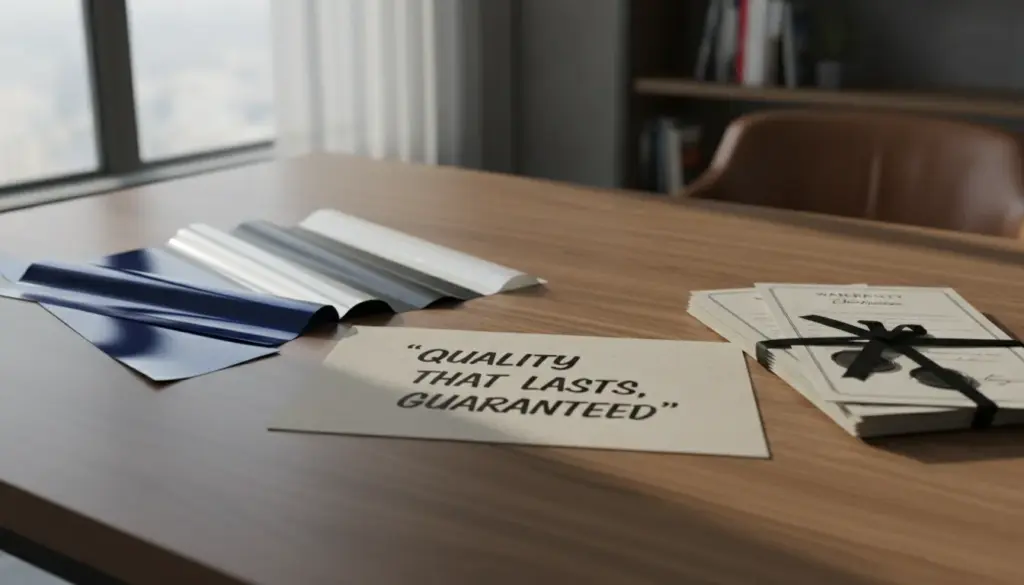
A film guarantee and a workmanship guarantee are not the same thing. The manufacturer may cover defects in the material, while the shop should stand behind the quality of the installation. Demand both in writing. A verbal warranty in the car care industry is difficult to enforce and easy to forget.
Ask what the film warranty covers, how long it runs and how a claim is handled. Then ask what the installer covers if an edge lifts or a seam fails. A shop that offers only one document is asking you to carry the risk for the other half of the job. In a market with no licensing body for wrappers, written terms are the closest thing to protection you have.
What a Realistic Quote Should Include
Few Doha installers publish clear wrap prices, which makes comparison harder than it should be. Some list paint protection film from around QAR 2,500 for a front end and QAR 6,999 for a full car. Others start near QAR 5,500 depending on coverage and body size. Fixed installed prices for a named film can run from QAR 899 for a front-end kit to QAR 3,999 for a full-body sedan.
The headline figure is rarely the whole story. Compare what is included, such as film brand, warranty term, coverage area and any extras like pickup and drop. A lower number may mean a cheaper film or edges left exposed. A higher number may include a better material and a cleaner finish. Ask for a written breakdown before you commit.
- Ask for the exact film brand and product name, not just a colour or finish description.
- Request a written quote that separates material cost, labour and any extras.
- Confirm whether the price includes panel removal, cleaning and edge finishing.
- Ask how long the job will take and whether the car stays indoors the whole time.
- Check if pickup and drop are offered, especially for fleet vehicles.
- Ask to see a similar completed car under bright light before you pay a deposit.
- Get both the film warranty and the installation warranty in writing before work begins.
These questions take only a few minutes to ask, yet they can save you from a wrap that looks flawless on day one but begins peeling or fading by month six. A shop that answers them clearly has typically invested in a clean, enclosed fitting bay and skilled installers who understand edge wrapping and material limits. That kind of transparency signals a team that has thought carefully about its process and stands behind its work. A shop that waves these questions away is effectively inviting you to gamble with your paintwork and your brand image.
Fleet Work Has Its Own Logic
For a business running taxis, delivery vans or a small corporate fleet, the calculation changes slightly. Consistency across vehicles matters as much as the finish on any single car. Ask how the shop manages repeat colour matching and whether it keeps records of the film and design used on each vehicle. A fleet wrap that varies from van to van weakens the brand message.
Practical logistics also count. Pickup and drop, transparent estimates and a service warranty are the things fleet owners in Doha tend to value most. A shop that can handle a batch of vehicles without disrupting your schedule is worth more than one that offers a slightly lower per-unit price. Ask about turnaround time and what happens if a panel needs redoing after a few months.
Local Conditions Demand Local Answers
Doha’s combination of heat, sand and humidity punishes shortcuts. Ask how the shop prepares a vehicle before film goes on, because surface contamination is the enemy of adhesion. Ask how they handle curved panels, deep recesses and the edges of doors. The best installers will talk about technique in plain terms rather than hiding behind brand names.
You do not need to become an expert to choose well. You need to ask enough questions to reveal whether the shop treats wrapping as a craft or a quick transaction. A careful installer will be happy to explain their process and show you where the work will be done. The answers will tell you whether your car is in careful hands or about to become someone’s practice panel. Paying attention to these details now can save you from visible flaws and costly corrections later.
Walk In Prepared, Leave With Paperwork
A good wrap shop conversation should feel like a briefing, not a sales pitch. You want the installer to explain what will happen to your car, which film will go on it, and what the finished edges will look like. You want to see the bay and inspect recent work. You also want to hold written terms in your hand before any deposit changes hands.
The shops that thrive in Doha are the ones that understand the climate and respect the craft. They keep clean bays, name their films and put their promises on paper. Ask the right questions and you will find them. Skip the questions and you are leaving the outcome to luck, which is a poor strategy when the sun is already waiting outside.