A wrapped car in Qatar does not live the same life as a wrapped car in a cool coastal city. The sun is intense, the asphalt radiates heat upward, and dust arrives with warm winds. A clean wrap is not just about appearance. It is about stopping small problems before they become peeling edges, faded panels or adhesive failure.
The good news is that most heat damage is avoidable. You do not need a detail studio on call or a garage full of specialist products. You need a routine, a few gentle tools and an eye for the places where vinyl fails first. Think of wrap care as a summer habit rather than a rescue mission.
Why Gulf Heat Changes the Rules
Heat does two things to a vinyl wrap at the same time. It softens the adhesive layer and it expands the film itself. When the car cools at night, the vinyl contracts again. Repeated cycles of expansion and contraction put stress on edges, seams and recesses. That is why a wrap can look perfect for months and then show lifting along a door handle or mirror cap.
UV exposure is a separate threat. Bright colours suffer most, especially reds, yellows and oranges. Even a premium cast vinyl with a UV laminate will age faster when it spends every afternoon in direct sun. Horizontal panels such as the bonnet, roof and boot lid take the hardest hit because they face the sky all day. In this climate, a glossy or matte finish may stay healthy for up to three years with proper care, while pearlescent and colour-shift films often plan around two years. Chrome and fluorescent finishes are shorter-life specialty films and need extra caution.
A wrapped car should be washed every one to two weeks if it is driven daily in the Gulf. Dust, hard water, heat and sun exposure make regular gentle washing more important than it would be in a milder climate. The aim is to remove contamination before it bakes into the film. Allowing dirt and grime to stay on the car can make it harder to clean later and can harm the wrap. Hand washing is the gentlest method and helps avoid lifting the vinyl edges or dulling the finish.
Washing Without Hurting the Film
Start with a steady rinse so loose dust leaves the surface before a wash mitt touches the film. Use a pH-neutral automotive shampoo, a clean microfiber mitt and plenty of water. Work in sections and rinse thoroughly before the soap dries. Hot panels and direct sunlight cause water and shampoo to dry too fast, leaving streaks or stains, so wash early in the morning or in the evening.
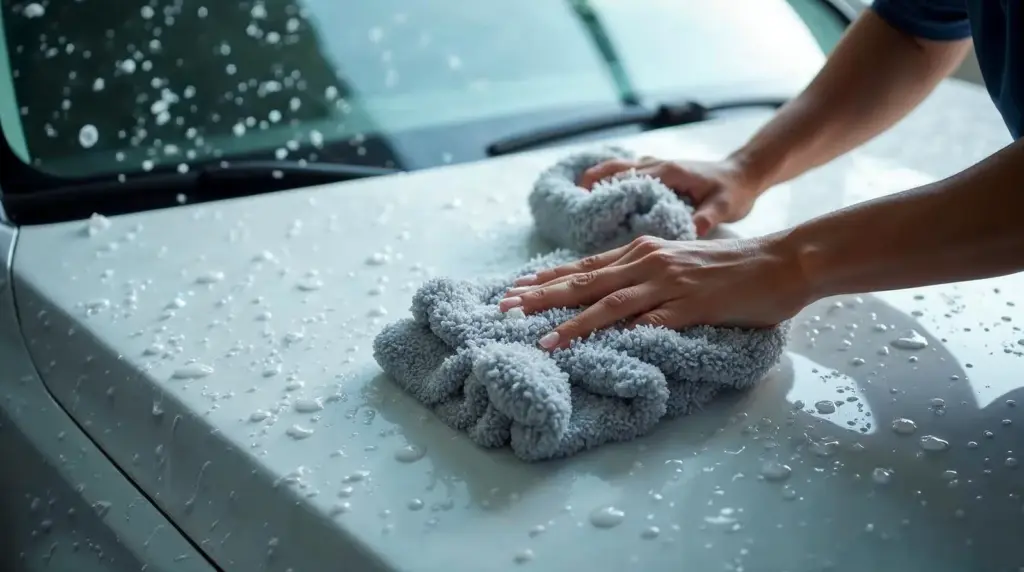
After rinsing, dry the car with clean microfiber towels. Letting hard water sit on vinyl can leave mineral spots, and dragging a dirty towel across satin, matte, chrome or carbon fibre finishes is a quick way to dull them. A silicone squeegee can remove excess water immediately if you prefer, but finish with a clean towel. Avoid brush car washes completely. The brushes can scratch the surface and catch the edges of the film. A touchless car wash is the safer automatic option when hand washing is not possible.
Pressure washing can work, but only with strict limits. Keep the water pressure below 2000 psi, the water temperature below 180 degrees Fahrenheit, and use a spray nozzle with a 40-degree wide-angle pattern. Hold the nozzle at least one foot from the graphic and keep it perpendicular to the surface. A careless pressure washer can lift a seam in seconds.
Removing Contamination Before It Bites
Bird droppings, bug splatter, tree sap and fuel spills are not just ugly. They are chemically aggressive and can degrade vinyl if left alone. Soak difficult contaminants in hot soapy water for several minutes, then follow with a clean water rinse and dry the area completely. If the mark remains, repeat the process or use a wrap-safe all-purpose cleaner. Never leave any cleaning solution to soak on the film. Rinse it away immediately after use.
Fuel spills deserve special attention. Wipe them away as soon as possible to prevent the wrap from degrading. Avoid abrasive cleaners and cutting solutions, which can damage both the vinyl and the adhesive. A simple rule keeps the finish safe: if a product would scratch or strip paint, keep it away from the wrap.
| Heat Risk | What It Does | Practical Response |
|---|---|---|
| UV exposure | Fades bright colours and ages horizontal panels fastest | Park in shade, use a breathable cover, inspect bonnet and roof often |
| Adhesive softening | Makes edges lift, curl or bubble in extreme heat | Check seams and high-touch areas during every wash |
| Hot surface washing | Dries soap too fast and leaves streaks or stains | Wash early morning or evening with pH-neutral shampoo |
| Hard water spotting | Leaves mineral marks on matte, satin and gloss films | Dry with clean microfiber towels immediately |
| Fuel spills and contaminants | Degrade vinyl and adhesive if left to sit | Remove quickly, soak stubborn spots, rinse thoroughly |
The table above shows the main pressure points for a wrapped car in summer. The pattern is simple: heat and contamination work together, and the owner who acts early wins. A wrap does not usually fail all at once. It fails at the edges first, then the seams, then the large flat areas.
Parking and Storing for a Longer Life
Where you park matters as much as how you wash. Asphalt and concrete radiate heat upward, effectively baking the vehicle from below. Covered parking, shaded areas and indoor storage all help preserve the film. If a garage is not an option, a breathable car cover is the next best thing. Avoid tight plastic covers that trap heat and moisture against the vinyl.
When shade is not available, try to reduce direct sun exposure where possible. Reducing direct sun exposure can help prevent uneven fading and keep the overall look more consistent. This can be useful for fleet vehicles that sit in the same outdoor lot every day. Rotating wrapped vehicles regularly spreads the exposure across the whole fleet.
Keeping the car cool can also help. This can help reduce heat-related stress on the wrap. High temperatures can make vinyl expand and weaken its adhesive backing, which leads to lifting or bubbling. This is not a substitute for washing, but it can help when the car has been standing in full sun for hours. Parking in shaded areas or indoors can further protect the wrap from heat damage.
Inspecting Edges and High-Touch Areas
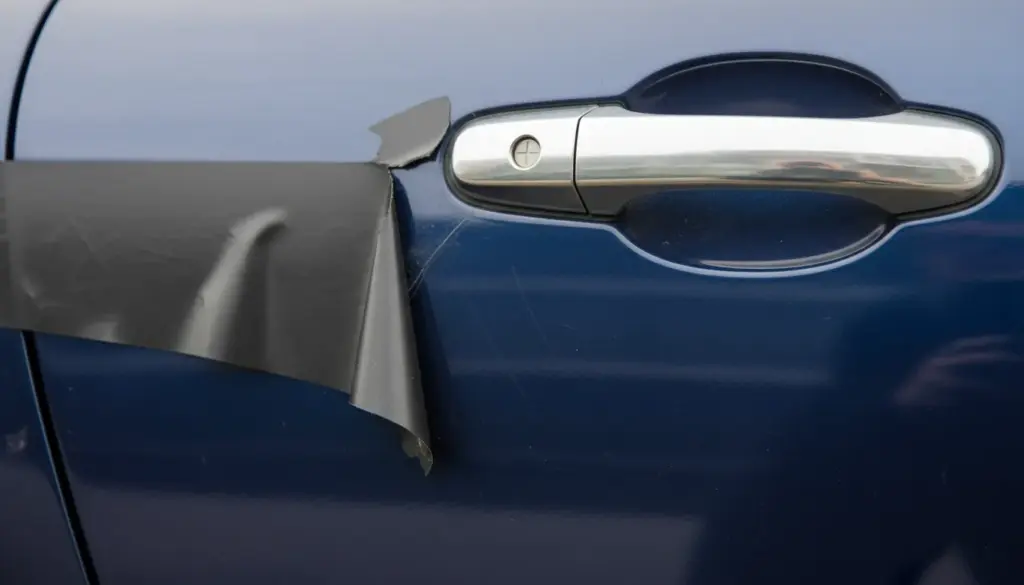
Every wash is an inspection opportunity. Look closely at the bonnet, roof, boot lid, spoiler, mirror caps, bumpers and door handles. These are the places where vinyl lifts first. Early edge issues are easier to correct than neglected film. If you see a lifted edge or a small bubble, do not ignore it. Heat cycles will make it worse.
Business vehicle wraps need extra attention because they advertise while parked and driving. Keep phone numbers, logos, rear doors and high-readability panels clean. A dirty commercial wrap does not just age faster. It also sends the wrong message to every customer who sees it in traffic.
Building a Summer Wrap Routine
A good routine is short and repeatable. Rinse first, hand wash with pH-neutral soap, dry with clean microfiber, avoid brush washes, remove contaminants quickly, park in shade when possible and inspect edges during every wash. That is the whole system. It does not require hours of work, but it does require consistency.
In the Gulf summer, the car is always testing the wrap. The sun tests the colour, the heat tests the adhesive and the dust tests the finish. Your job is to stay slightly ahead of all three. A wrapped car can look sharp for years in this climate, but only if the owner treats heat as a daily condition rather than a seasonal surprise.
When the wrap is clean, cool and parked in shade, it works exactly as it should. The colours stay true because direct sunlight and UV rays are the main causes of fading. The edges stay down since excessive heat can soften the adhesive and make the vinyl lift or curl. The car keeps turning heads for the right reason, with a finish that still looks sharp. That is the craft of a clean wrap in the heat.