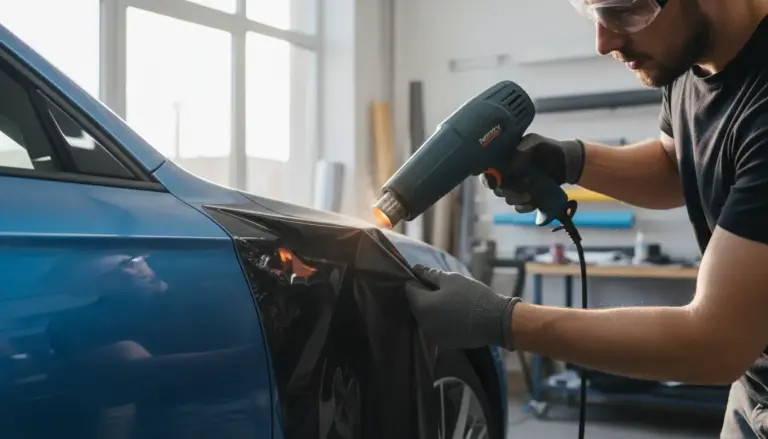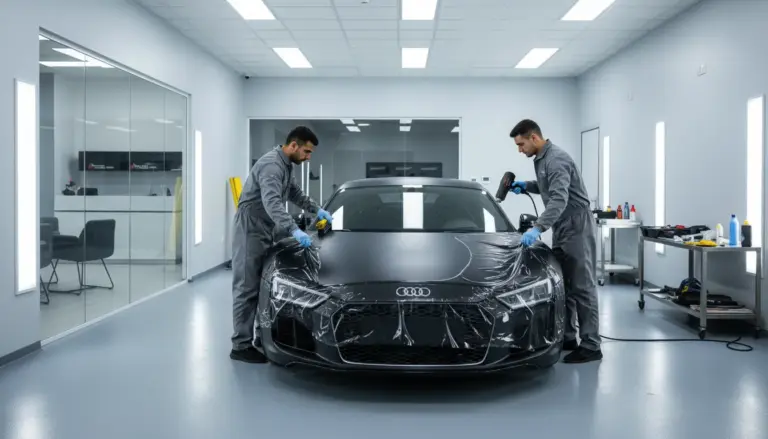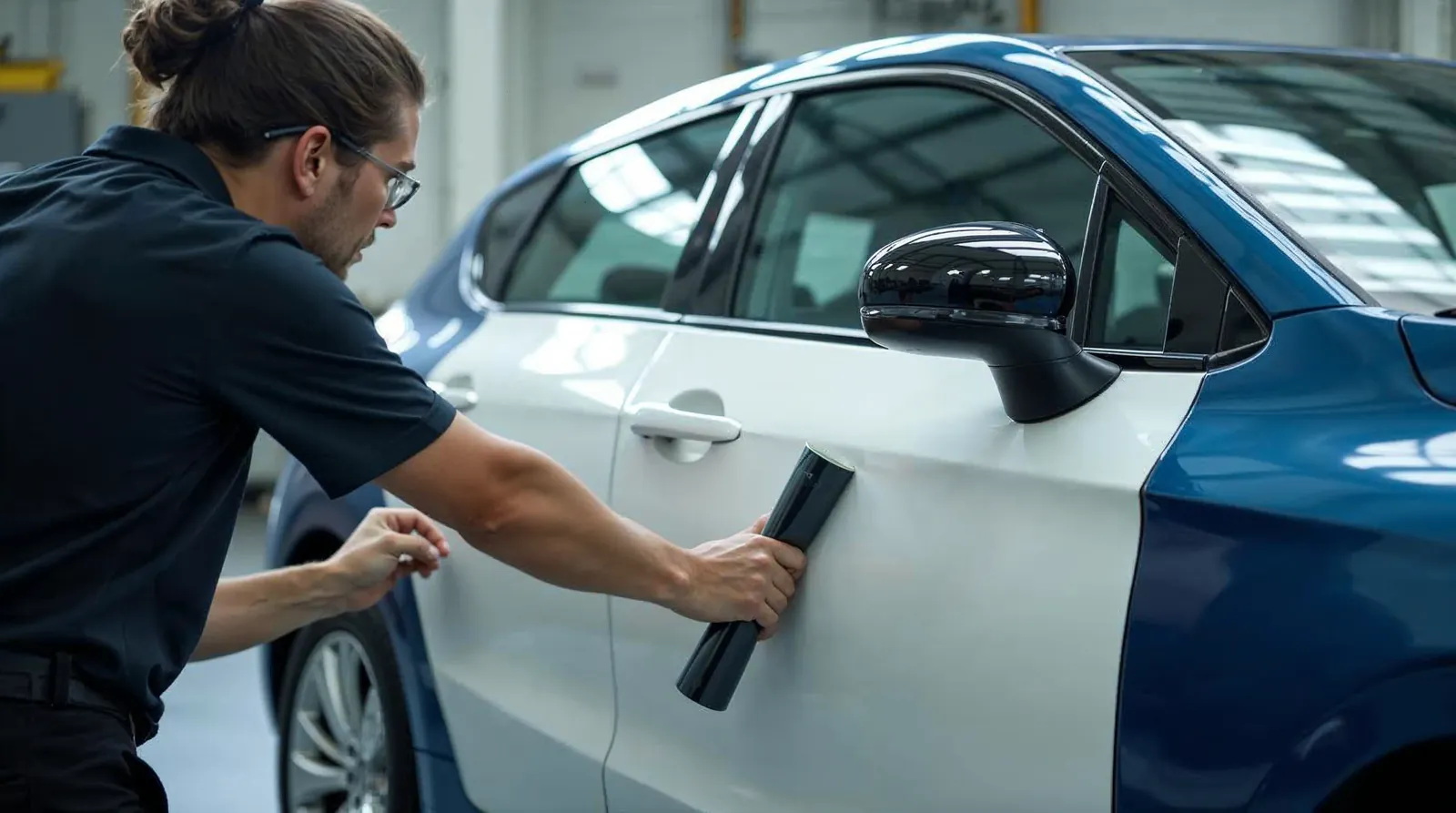
A car in Doha traffic rarely gets a second glance unless its surface does something unexpected. The right finish turns a daily commute into a small piece of street theatre, and that is where the paint-versus-wrap decision begins. Some drivers want a deep, permanent colour change that behaves like factory work. Others want a finish they can peel away in a few years when taste shifts or a lease ends. Both routes can look superb, but they demand different commitments of money, time and care.
The choice is not simply about which option costs less on day one. It touches on how long you plan to keep the vehicle, how it is parked, how often it is washed and whether the car carries advertising or purely personal style. A vinyl wrap can protect original paint and offer a reversible transformation. A custom paint job can deliver a depth and gloss that vinyl rarely matches, but it changes the car permanently. Understanding the practical differences will save you from an expensive mistake in a Gulf climate that punishes weak finishes.
Cost and Preparation: Where the Budget Goes
Professional results are never cheap, whether you choose paint or film. A high-quality respray usually involves sanding the existing surface, repairing imperfections, applying primer and building up several coats before a clearcoat. Those labour hours add up quickly. A wrap sits directly over the original finish, so the preparation stage is much shorter. There is no oven baking and no lengthy curing time. That is why vinyl generally comes in at a lower initial price for the same vehicle size.
Regional pricing and vehicle dimensions affect the final figure more than most people expect. Wrapping a large SUV in a complex finish will cost considerably more than wrapping a small hatchback in a solid gloss colour. The same logic applies to paint, where a full colour change on a long-wheelbase saloon takes far more material and time than a same-colour respray. Smart planning means getting accurate quotes for your specific car rather than relying on rough online averages.
There are also hidden costs that appear after the work is done. Paint damage often means repainting an entire panel to keep the colour consistent. A damaged wrap section can frequently be replaced without touching the surrounding film, which keeps repair bills lower. The table below summarises the main budget differences for a typical full-vehicle transformation.
| Cost Factor | Vinyl Wrap | Custom Paint |
|---|---|---|
| Initial Investment | Generally lower | Generally higher |
| Preparation Work | Minimal cost | Expensive prep |
| Damage Repair | Less costly section fixes | Costly full-panel work |
| Tax Benefits | Often up to 100 percent deductible | Limited deduction |
| Removal or Reversal | Possible without repainting | Permanent change |
Tax treatment varies by country and business structure, so commercial drivers should check local rules with an accountant. For private owners, the simpler comparison is this. A wrap usually costs less to apply because it goes directly over the existing finish with minimal preparation. It is also less costly to repair since damaged sections can be replaced individually. A paint job, by contrast, is a larger upfront commitment that cannot be reversed without another full respray.
Durability, Maintenance and Gulf Conditions
Durability depends heavily on installation quality and daily exposure. A professionally applied vinyl wrap typically keeps its appearance for five to seven years with reasonable care. Premium paint can last ten to fifteen years when properly maintained. Those numbers assume the car is washed correctly and not left under abrasive conditions. In the Gulf, intense sun, sand and heat accelerate wear on both finishes, so parking in shade and using a quality car cover makes a measurable difference.
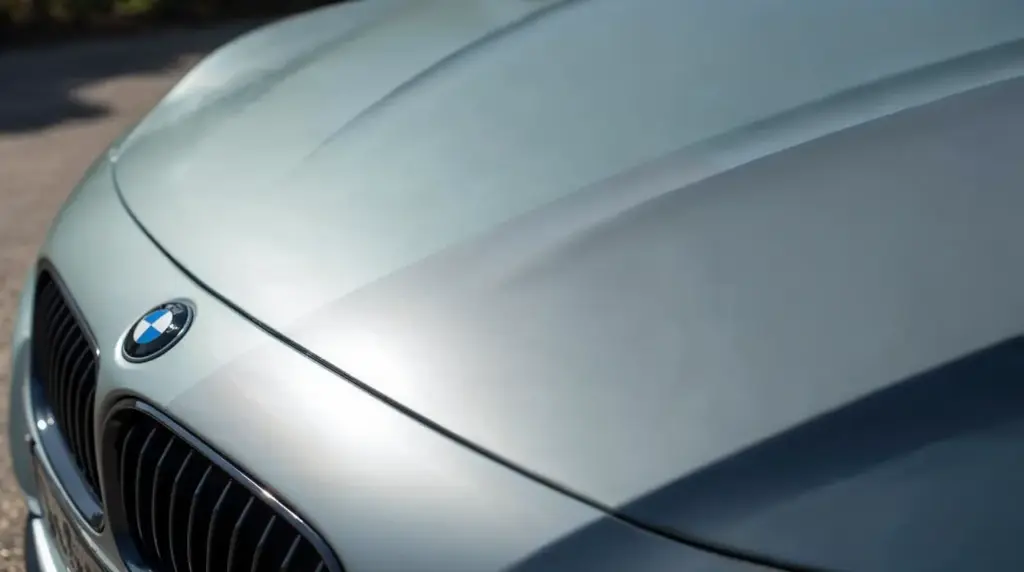
Maintenance routines are not identical. Wraps should be washed by hand or with touchless systems because high-pressure brushes can lift edges. Avoid waxes designed for paint unless the product is confirmed safe for vinyl. Paint is more forgiving with traditional polishing and waxing, but it shows swirl marks and stone chips more readily. A wrap acts as a sacrificial layer that takes the brunt of minor abrasion, which is one reason owners of new cars choose film even when they like the original colour.
Heat, Sand and the Reality of Outdoor Parking
Cars parked outside in Doha, Riyadh or Dubai face a harsh test. Vinyl can become brittle over time if constantly baked, and dark films absorb more heat than light ones. Edges around door handles, mirrors and bonnet lines are the first places to lift. A high-quality cast vinyl installed by an experienced technician handles these conditions better than a cheaper calendared film. Ask the installer which material they use and whether they have experience with vehicles that live outdoors year-round.
Paint is not immune to the climate either. Clearcoat can oxidise and fade under relentless UV exposure, especially on horizontal panels like the roof and bonnet. A ceramic coating over either finish adds a useful layer of protection, though it does not make a wrap or paint indestructible. The practical takeaway is that both options need regular cleaning and occasional professional inspection, particularly before summer arrives and temperatures peak.
Finish, Colour Choice and the Look You Actually Want
Paint offers a depth that vinyl struggles to reproduce. A well-executed respray has a wet, glassy appearance because the clearcoat sits over multiple colour layers. Metallic and pearl finishes look especially rich in paint because the flakes are suspended within the coating. Vinyl has improved dramatically, but even the best gloss films sit on the surface rather than within it. Up close, a trained eye can usually tell the difference, especially on complex curves and panel gaps.
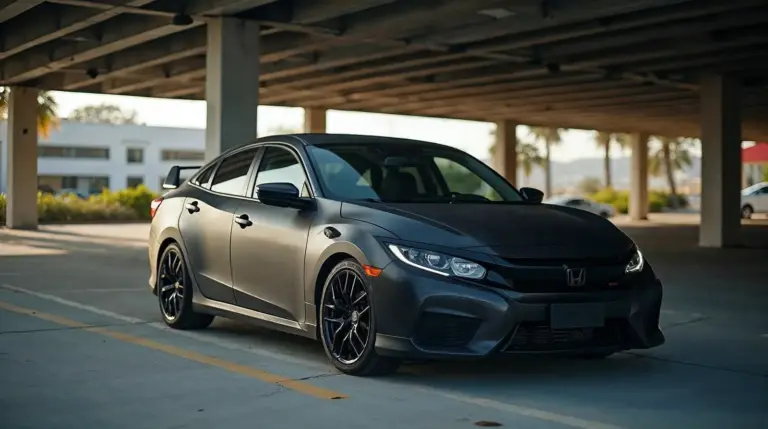
Vinyl wins when it comes to unusual finishes. Matte black, satin grey, chrome, brushed metal and colour-shifting films are far more practical as wraps than as paint. A matte paint job is expensive to apply and difficult to repair, while a matte vinyl can be replaced in sections. For drivers who want a bold look without a permanent commitment, wrap films open up possibilities that paint cannot match at a sensible price. Ford even sold the limited Focus RS500 with a matte-black wrap from the factory, which shows how far the technology has come.
Personal Graphics and Advertising Logic
Commercial vehicles get the clearest benefit from vinyl. A wrapped van or pickup becomes a moving advertisement that generates impressions every time it drives through traffic. Graphics, logos and contact details can be printed directly onto the film, then removed when a campaign ends or a vehicle is sold. Paint cannot offer that flexibility. A hand-painted sign on a door is permanent and often less crisp than digitally printed graphics.
Private owners also use wraps for personal customisation. Racing stripes, side decals and partial colour changes are simple with film and reversible without touching the original paint. A painted stripe requires masking, clearcoat and a permanent decision. If you sell the car later, a wrap can be removed to reveal untouched factory paint, which often helps resale value. A custom paint colour, especially an unusual one, can narrow the pool of interested buyers.
Removal, Repairs and Long-Term Value
Removal is where vinyl demonstrates its biggest practical advantage. A professionally installed wrap should come off cleanly within its service life, leaving the original paint underneath. That matters if the car is leased, if you plan to sell it, or if you simply want a different colour after a few years. Paint offers no such exit. Returning to the original colour means another full respray, which is expensive and time-consuming. For many owners, reversibility alone justifies choosing vinyl.
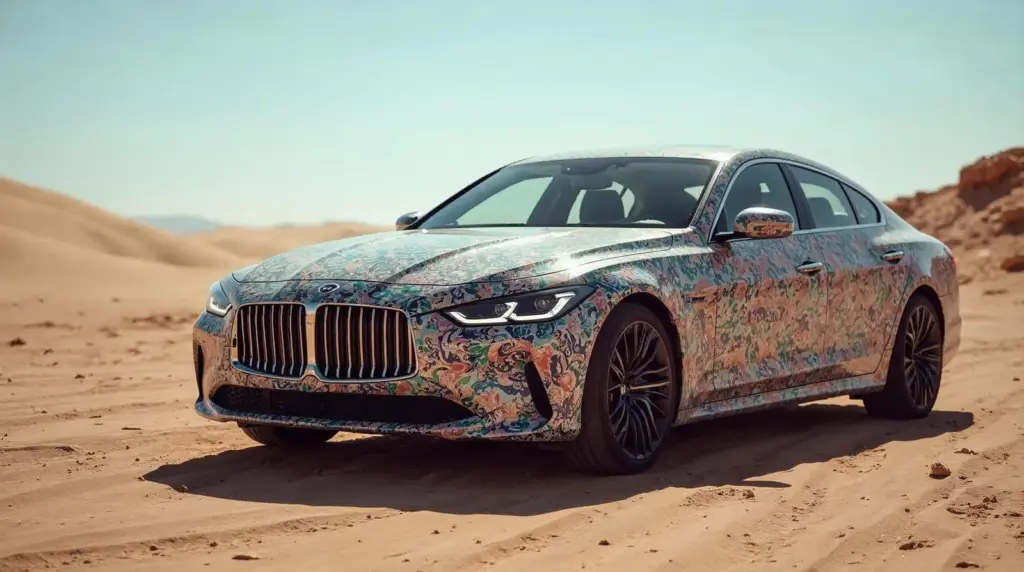
Repair logic follows the same pattern. A scratched bumper or stone-chipped bonnet on a wrapped car can often be fixed by replacing just that section of film. The new piece may not match perfectly if the surrounding film has faded, but the repair is quick and affordable. Paint repairs are more involved. Matching a custom colour across a panel requires skill, and even then the result can show under certain lighting. A full-panel respray is often the only way to guarantee consistency.
Resale, Leases and the Question of Permanence
Resale value depends on the buyer. Some buyers prefer untouched factory paint, which makes a removable wrap attractive. Others are happy to buy a car with a custom paint job if the colour suits their taste. The safest general rule is that a reversible modification protects your options. A wrap can be removed before sale to reveal the original finish, while a custom paint colour becomes part of the car forever. Lease agreements often prohibit permanent paint changes, so vinyl is the only viable route for many drivers.
Long-term value also includes the cost of upkeep over five or ten years. A wrap may need edge repairs or a full replacement after seven years, while paint may need polishing and touch-ups but no complete redo. Neither option is maintenance-free. The sensible approach is to match the finish to your ownership timeline. If you change cars every three or four years, vinyl makes more sense. If you plan to keep a car for a decade and want a classic finish, paint deserves serious consideration.
The best choice is the one that fits how you actually use the car, not the one that looks best in a showroom photo. Talk to a reputable installer, inspect finished examples in person and ask about how the work behaves after two Gulf summers. A clean wrap and a clean paint job both take skill. The difference is what happens when your taste changes, the sun takes its toll or the car goes up for sale.