Entering an art competition can feel like preparing a complicated dish for the first time. You have the recipe, the ingredients and a clock ticking somewhere in the background, yet one missing step can send the whole thing sideways. Over the years, artists have learned that a systematic approach turns chaos into a manageable sequence of decisions. The checklist that follows is not about stifling creativity. It is about protecting it, so that when you finally click submit or hand over your carefully wrapped canvas, you know you did everything within your power to give the work a fair chance.
Some of the most practical guidance in this area comes from artists who have been entering open exhibitions for well over a decade. They have gathered their hard-won lessons into checklists that cover everything from framing wire tension to the exact file-naming conventions a digital portal expects. One artist described laminating her checklist and pinning it to the studio wall, proof of how easily the small details slip when adrenaline takes over. The goal here is to condense that collective wisdom into a clear, actionable sequence that suits artists working anywhere.
Decode the Call Before You Commit
Before you even open your portfolio, sit down with the call for entry and a highlighter. The rules are essentially a contract between you and the organiser, and skimming them is the fastest route to disqualification. Look for the precise wording around accepted mediums, size limits and framing requirements. A competition focused on photography will have different technical demands than one centred on sculpture or mixed media. If the call states a size limit in any dimension, measure twice before you even consider submitting your favourite large-scale piece.
Spot the Hidden Clauses on Rights and Usage
Some of the most consequential sentences in any call for entry are not about art at all. They are about ownership and usage rights after the competition concludes. Read carefully to understand who holds the copyright to your work if you win, and what the organiser can do with images of your piece regardless of the outcome. A few competitions have been known to include clauses that restrict how you can use your own artwork elsewhere, even if you do not place. If the language feels ambiguous, a qualified legal professional can help you interpret it before you sign anything.
It is also worth pausing to consider what happens to your artwork if you do not win. Some competitions return physical works promptly, while others may retain pieces for extended touring exhibitions or keep digital files in a permanent archive. Knowing the timeline for the return of your work and the ongoing use of your images allows you to plan your exhibition calendar without unexpected gaps. Artists who skip this step sometimes discover their best piece is tied up in limbo just as another promising opportunity arises.
Assemble Your Submission With Precision
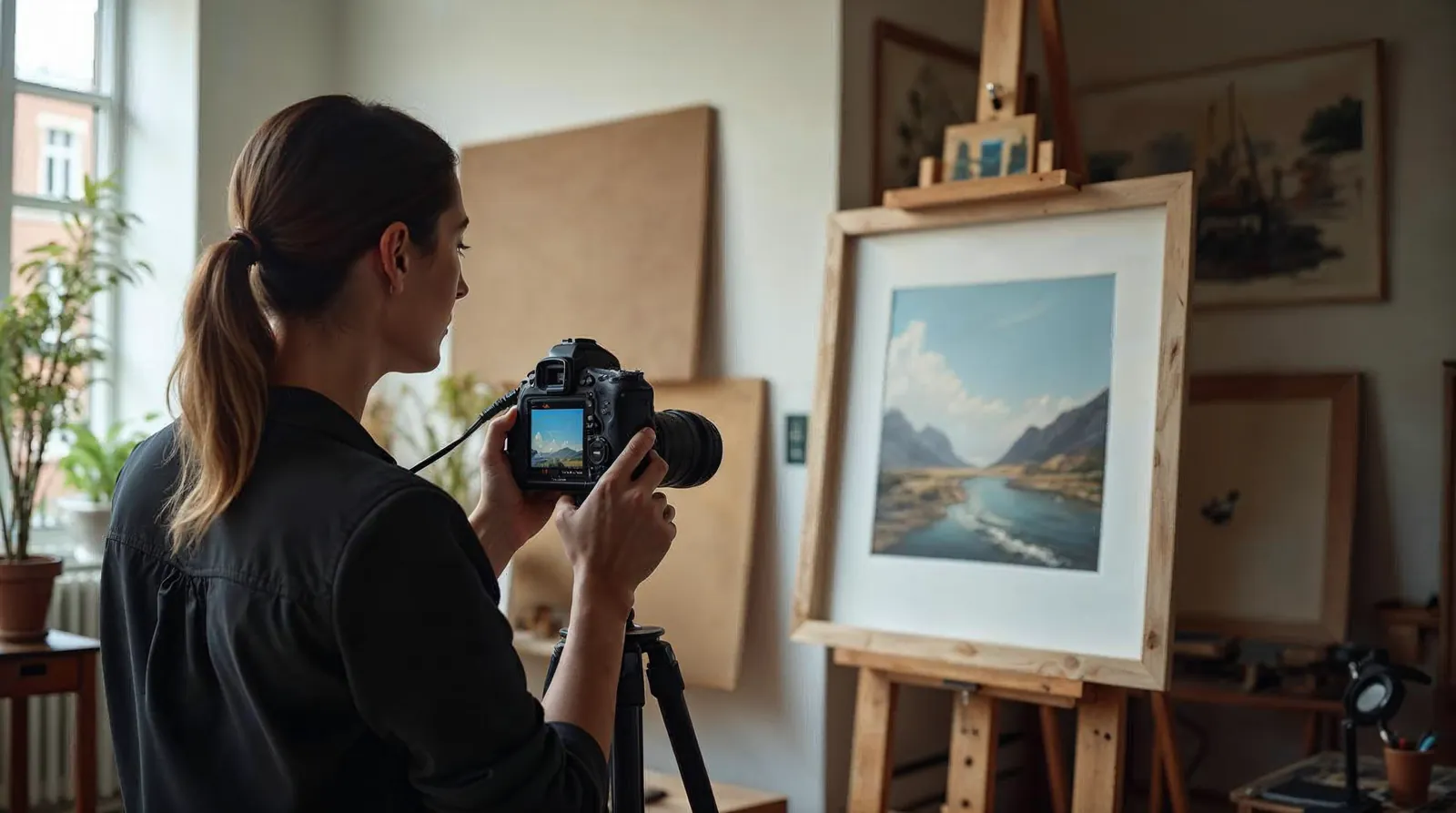
Once you have confirmed the competition is worth your time, the physical and digital preparation begins. The quality of your documentation can make or break your entry long before a juror sees the actual work. For digital submissions, this means high-resolution photographs that are evenly lit and free from distracting reflections or colour casts. A poorly shot image of a brilliant painting reads as a mediocre entry. Follow the file format and size specifications to the letter, because automated portals will reject anything that does not match their parameters.
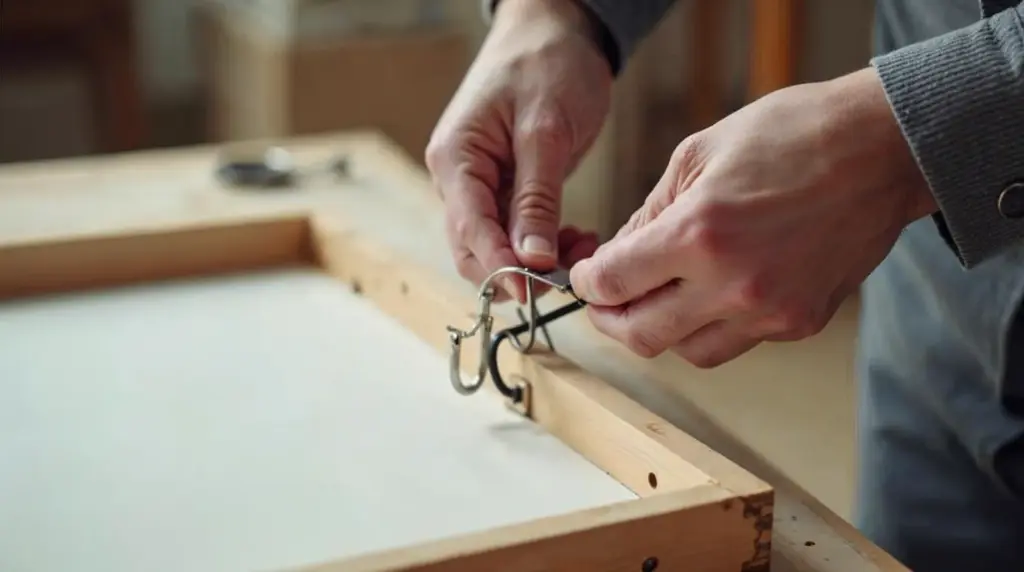
If the competition requires physical delivery, presentation becomes part of the artwork itself. Check that your frames are sturdy, your hanging hardware is secure and your labels are affixed exactly as the instructions demand. Some calls specify the type of hanging hardware you must use. These details may seem petty, but exhibition organisers have seen too many works arrive with flimsy fixings that fail during installation. A checklist for physical submission should include items like spare hanging hardware, touch-up paint and a printed copy of your entry form tucked into the packaging.
Curate With a Single, Coherent Voice
Selecting which pieces to enter is an exercise in self-editing. Quality always outweighs quantity, and a focused submission tells a clearer story than a scattered one. If the competition allows multiple entries, consider works that speak to one another, revealing different facets of your practice without repeating the same idea. Think about the jurors who will be viewing dozens or hundreds of submissions in a single session. A cohesive group of pieces can leave a stronger impression than a larger number that pull in different directions.
Navigate the Judging and Voting Landscape
Not all competitions are judged in the same way, and understanding the structure will help you set realistic expectations. Some rely entirely on a panel of jurors, professionals who evaluate work based on criteria such as technique, originality and adherence to the theme. Others incorporate public voting, where audience engagement becomes the deciding factor. A third model blends the two, with a shortlist selected by jurors and a final winner determined by popular vote. Each format rewards a different kind of effort. If the competition involves any sort of voting component, ask yourself honestly whether you are comfortable repeatedly asking your audience and community for support. Voting-based contests can become stressful, and there is unfortunately a known issue with people cheating by using bots or buying votes. Many artists find that the emotional energy spent chasing votes could be better directed toward creating new work or researching juried opportunities that rely solely on expert evaluation.
Know What Jurors Actually Look For
Researching past winners of a competition can give you a useful read on the jurors’ sensibilities. Look at the work that has been selected in previous years and note any patterns in scale, subject matter or approach. This is not about copying what won before. It is about understanding the visual conversation the competition is hosting and deciding whether your work has a place in it. If your practice sits entirely outside that conversation, your entry fee might be better spent elsewhere.
Stay Organised From Studio to Submission
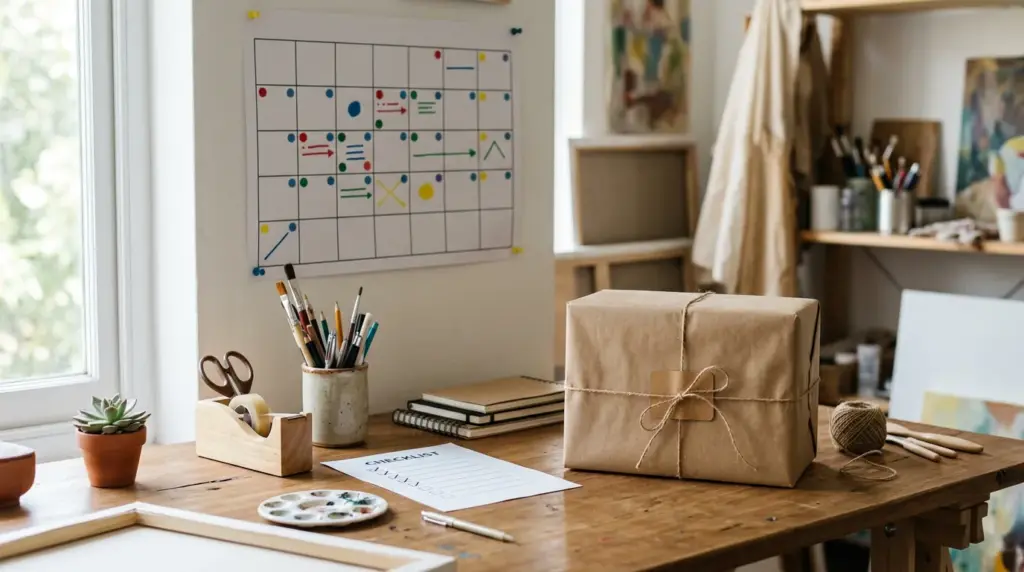
The practical logistics of getting work to a venue deserve their own mini-checklist. Before you seal the package or load the car, confirm that every date is marked clearly on a wall calendar or in a digital reminder. Check the entry conditions one more time, including any rules about how your art may be used during or after the contest. Also decide how you will protect the work while it is in transit or on display. These small checks can make the difference between a smooth submission and a stressful last minute scramble.
- Confirm the delivery address and receiving hours, and make sure you do not miss the receiving window.
- Pack artwork in reusable, clearly labelled materials: use corner protectors, bubble wrap and a sturdy outer box that can survive being stacked in a storage area.
- Include a printed copy of your entry form and any required labels inside the package, attached to the wrapping, not directly to the artwork.
- Photograph the packed work from multiple angles before it leaves your studio, creating a visual record of its condition at the time of dispatch.
- Check the return collection dates and procedures: some exhibitions require you to arrange a courier for unsold work, while others handle returns in-house.
- Keep all tracking numbers and delivery confirmations in your competition folder until the work is safely back in your hands.
- Test your hanging hardware one more time: loose or frayed fixings discovered during installation reflect poorly on your professionalism.
Entering competitions is ultimately a practice, not a one-off gamble. The artists who benefit most are those who treat the process as a skill to be refined, learning from each call for entry and each set of results. Keep your checklist current, your files organised and your eyes open for the right opportunities. When the right open call appears, you will be ready to submit with confidence, knowing you have done the unglamorous groundwork that lets the art speak for itself.